
 Available for emergencies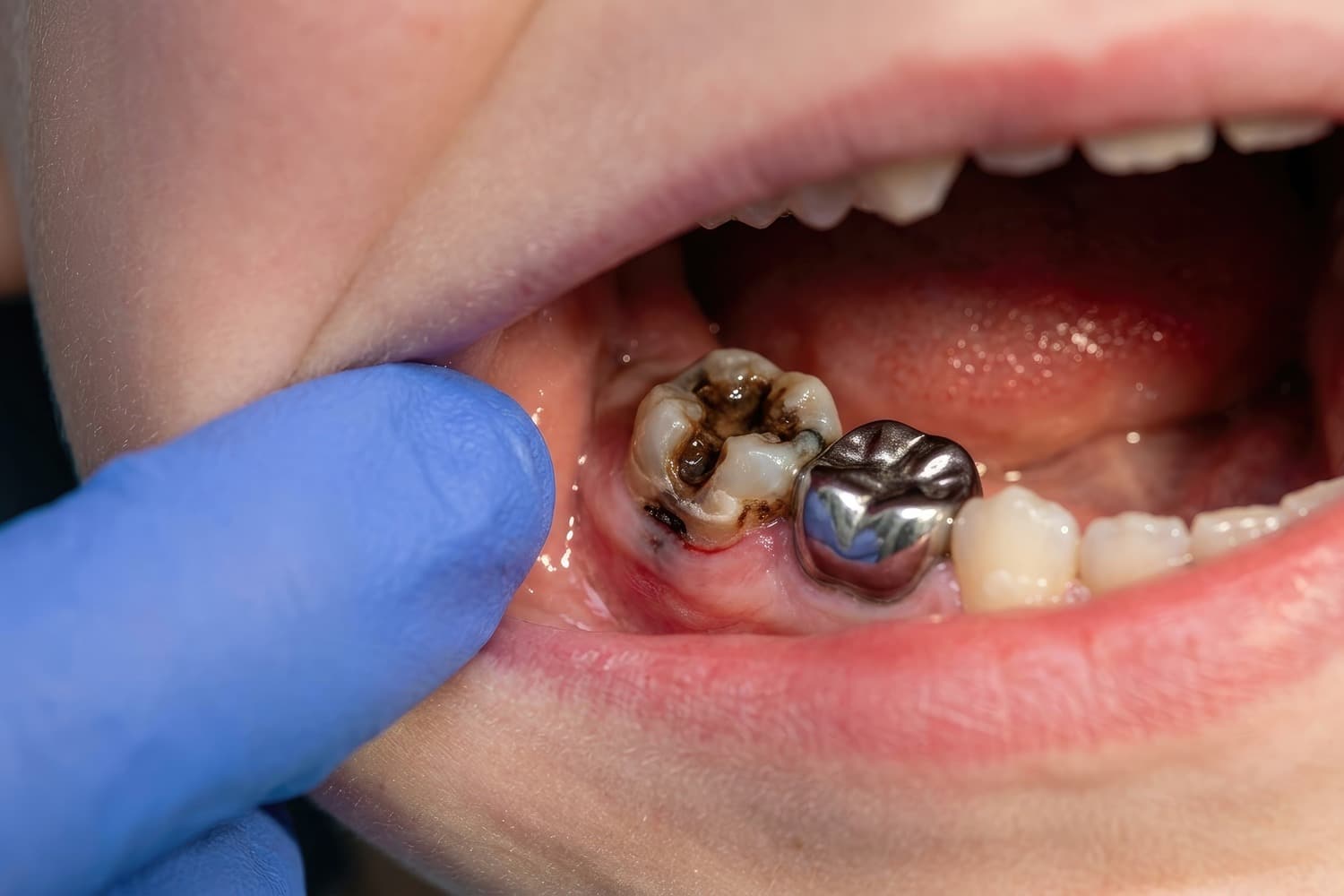
Pediatric Dental Crowns: Why Kids Sometimes Need Them in Pacific Grove, CA
When a child has a tooth that is too weak, damaged, or decayed for a filling alone, a pediatric dental crown may help protect the tooth and restore normal function. Crowns are not only for adults. In some cases, they are also recommended for children, including children with baby teeth that still need to stay in place until they are ready to fall out naturally.
At Moonflower Dentistry for Adults and Kids in Pacific Grove, CA, we understand that parents want clear answers before making decisions about their child’s dental care. Our team provides comprehensive dental care for growing smiles, using modern technology, gentle techniques, and treatment planning that puts your child’s comfort first.
This Article will address
- What a pediatric dental crown is
- Why a child may need a crown instead of a filling
- Whether crowns are used on baby teeth or permanent teeth
- How crowns help protect children’s teeth long-term
- What types of dental crowns may be used for kids
- What parents can expect during a child’s dental crown appointment
- How to care for a child’s dental crown at home
- When to call a pediatric dentist in Pacific Grove, CA
What Is A Pediatric Dental Crown?
A pediatric dental crown is a small protective cap that covers a child’s tooth. It is used to restore the tooth’s shape, strength, and function when the tooth has more damage than a filling can repair. A crown helps protect the remaining tooth structure so your child can chew more comfortably and continue using the tooth as intended.
Pediatric crowns may be recommended for baby teeth or permanent teeth, depending on the child’s age, the location of the tooth, and the reason treatment is needed. The goal is to preserve the tooth whenever possible and help support your child’s oral health as they grow.
At Moonflower Dentistry for Adults and Kids, we evaluate each child’s needs carefully before recommending treatment. Our team may use digital radiographs, panoramic radiographs, CBCT 3D scans, and other diagnostic tools when needed to better understand the condition of the tooth and surrounding structures.
Why Would A Child Need A Crown Instead Of A Filling?
A child may need a crown instead of a filling when the tooth needs stronger, longer-lasting protection. A filling is often appropriate for a smaller cavity when there is enough healthy tooth structure remaining. However, fillings in children can have a limited lifespan, especially when they are placed on baby teeth that still need to function for several more years. If a younger child has a cavity and the tooth is not expected to fall out soon, a crown may provide a more dependable long-term solution.
A crown may also be recommended when decay, injury, or weakness affects a larger part of the tooth. Unlike a filling, which repairs one area of the tooth, a crown covers and protects the tooth more fully. This can help reduce the risk of the tooth breaking down again and may help the tooth remain comfortable and functional until it is ready to fall out naturally.
Common reasons a child may need a dental crown include:
- A large cavity has weakened the tooth
- A small cavity is on a baby tooth that needs to last for several more years
- A tooth is cracked, chipped, or broken
- A filling would not provide enough long-term support
- The tooth needs protection after pulp therapy
- The tooth has weaker enamel or a developmental defect
- The tooth plays an important role in chewing, speech, or spacing
For many children, a crown can help save a tooth that might otherwise be at risk for pain, infection, repeated dental work, or early removal. Our goal is to recommend care that supports your child’s immediate comfort while also protecting their long-term oral development.
Are Crowns Only For Permanent Teeth Or Also Baby Teeth?
Crowns can be used on both permanent teeth and baby teeth. This often surprises parents, especially because baby teeth eventually fall out. However, baby teeth serve important purposes while a child is growing.
Baby teeth help children chew properly, speak clearly, and hold space for the permanent teeth developing underneath. If a baby tooth is lost too early, nearby teeth may shift into the open space. This can affect how the permanent tooth comes in later.
A baby tooth crown may be recommended when keeping the tooth in place is healthier than removing it too soon. By protecting the tooth, a crown can help reduce the risk of discomfort, infection, and future alignment concerns.
How Do Crowns Help Protect Children’s Teeth Long-Term?
Pediatric dental crowns help protect children’s teeth by covering and strengthening the tooth structure that remains. When a tooth has been weakened by decay or injury, a crown creates a protective outer surface that helps reduce the risk of further breakage.
Crowns can support your child’s oral health by helping to:
- Protect the tooth from additional damage
- Restore normal chewing function
- Reduce sensitivity caused by exposed or weakened tooth structure
- Preserve baby teeth until they are ready to fall out naturally
- Support healthy spacing for permanent teeth
- Help prevent the need for more involved treatment later
For permanent teeth, a crown may help preserve the tooth for long-term use. For baby teeth, a crown can help maintain comfort, function, and proper development until the permanent tooth is ready to come in.
What Types Of Dental Crowns Are Used For Kids?
The type of crown recommended for a child depends on the location of the tooth, the amount of strength needed, cosmetic concerns, and the child’s individual treatment needs. Pediatric dentists commonly consider both durability and appearance when recommending a crown.
Stainless steel crowns are often used for back baby teeth because they are strong, reliable, and able to handle chewing pressure. They are commonly recommended for molars, especially when the tooth has significant decay or needs extra protection.
Tooth-colored crowns, such as zirconia crowns, may be considered when appearance is a larger concern or when the tooth is more visible. These crowns are designed to look more natural while still helping protect the tooth.
At Moonflower Dentistry for Adults and Kids, we will explain the available options and help you understand which crown may be best for your child’s smile.
What Happens During A Child’s Dental Crown Appointment?
A child’s dental crown appointment is planned with comfort, safety, and clarity in mind. Before treatment begins, we examine the tooth and review any necessary imaging to understand the extent of damage or decay.
The exact process may vary, but a pediatric crown appointment often includes:
- Examining the tooth and surrounding area
- Taking any needed dental images
- Numbing the area for comfort
- Removing decay or damaged tooth structure
- Shaping the tooth so the crown can fit properly
- Placing and securing the crown
- Checking the child’s bite
Parents often ask whether getting a pediatric crown hurts. During treatment, local anesthetic is used to help keep the area comfortable. For children who feel anxious or need extra support, sedation options may also be discussed when appropriate.
Our team takes time to explain care in a calm, reassuring way so children and parents know what to expect.
How Should Parents Care For A Child’s Dental Crown?
A dental crown protects the tooth, but it still needs daily care. Helping your child maintain good oral hygiene can reduce the risk of plaque buildup, gum irritation, and future cavities near the crown.
Parents can help care for a child’s crown by encouraging them to:
- Brush twice a day with age-appropriate toothpaste
- Floss around the crown if recommended
- Avoid very sticky or hard foods right after placement
- Keep regular dental checkups and cleanings
- Watch for discomfort, looseness, or bite changes
- Call the office if the crown feels loose, falls off, or causes pain
It is also important to continue preventive dental visits. Regular exams allow our team to monitor the crown, check the surrounding teeth, and support your child’s long-term dental health.
When Should I Call A Pediatric Dentist In Pacific Grove, CA?
You should call a pediatric dentist if your child has tooth pain, visible decay, a cracked or broken tooth, swelling, sensitivity, or trouble chewing. You should also schedule an appointment if another provider has told you your child may need a dental crown.
Parents in Pacific Grove, CA, and nearby communities can contact Moonflower Dentistry for Adults and Kids for children’s dental crown evaluations. We provide pediatric restorative dentistry with a focus on comfort, education, and careful treatment planning.
If your child has a dental emergency, please call our office for guidance. Prompt care can help relieve discomfort and reduce the risk of further complications.
Pediatric Dental Crown Care At Moonflower Dentistry For Adults And Kids
If your child has a damaged, weakened, or painful tooth, a pediatric dental crown may help protect their smile and support healthy development. Crowns can be an important part of pediatric restorative dentistry, especially when a tooth needs more support than a filling can provide.
At Moonflower Dentistry for Adults and Kids in Pacific Grove, CA, our team provides comprehensive dental care for children and adults in a modern, welcoming environment. We use advanced technology, thoughtful treatment planning, and comfort-focused care to help children build healthier smiles.
Call Moonflower Dentistry for Adults and Kids today to schedule an appointment and learn whether a pediatric dental crown may be the right option for your child.
Sources
Dr. Kritika Carrazana
Dr. Kritika is the pediatric dentist at Moonflower Dentistry. Raised in Florida, she earned her DDS in 2015 & completed advanced pediatric training at Case Western Reserve University, finishing her residency in 2021. She has since worked as a board-certified pediatric dentist in Kansas, Missouri, & California. Dr. Kritika loves pediatric dentistry for its daily challenges & the relationships she builds with kids & their families, & patients appreciate her calm, empathetic style & fun, educational approach. Outside the office, she enjoys yoga, staying active, trying local restaurants, & spending time with her husband & child.