
 Available for emergencies
Airway Assessment
Kids Airway Assessment in Pacific Grove, CA
At Moonflower Dentistry for Adults and Kids in Pacific Grove, CA, we look past the teeth to see the whole picture, including how your child breathes while they sleep. A kids airway assessment gives us a clear window into whether your child’s mouth, jaw, and tongue are supporting healthy, restful breathing, or working against it. If snoring, mouth breathing, or restless nights sound familiar, bring your questions to our team so Dr. Kritika can take a closer look.
Promoting Lifelong Healthy Smiles
Care that puts you first in Pacific Grove, CA.
What Is a Pediatric Airway Evaluation?
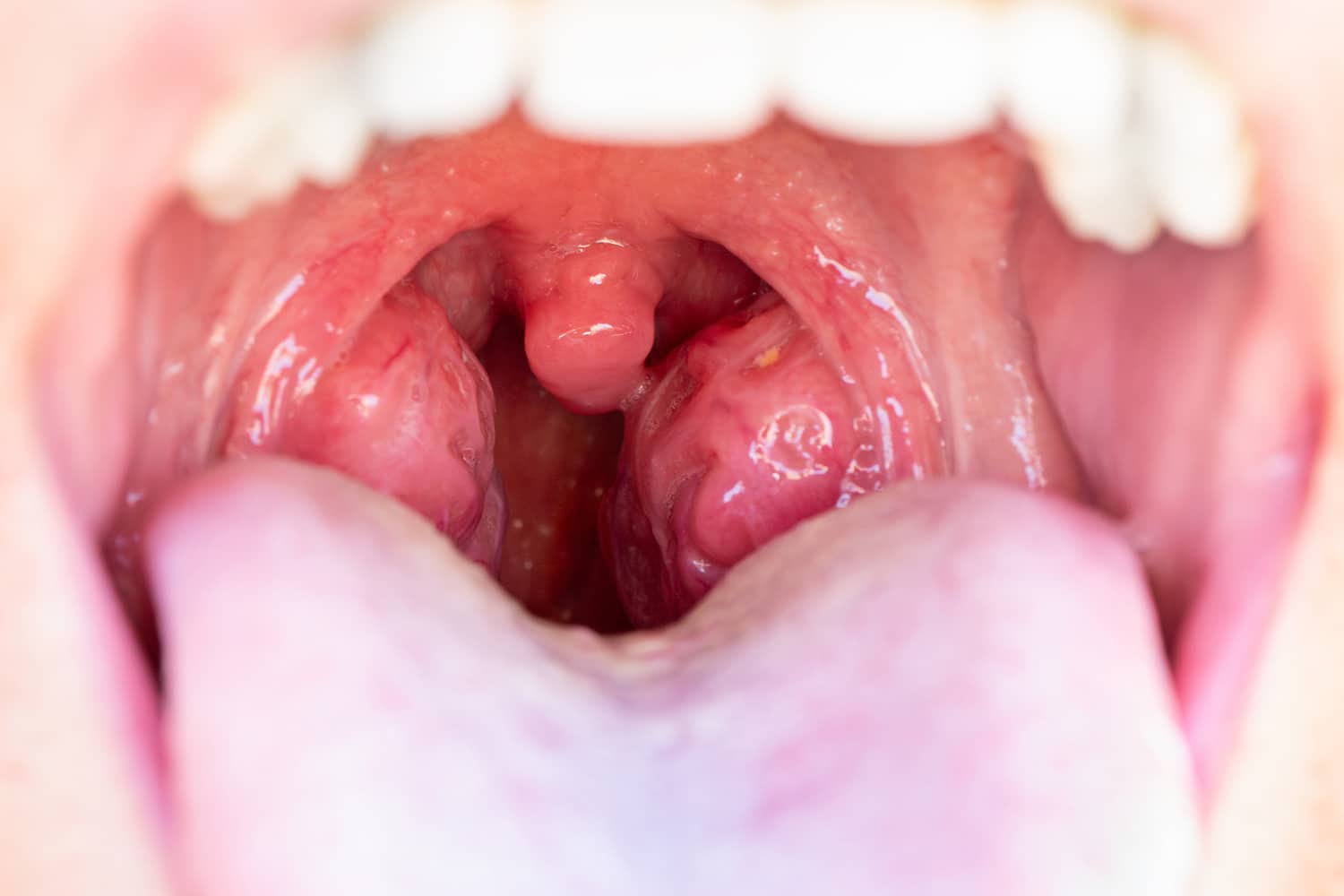
A pediatric airway evaluation is a hands-on look at the structures that shape how your child breathes: the tongue, jaw, palate, tonsils, and the muscles that keep the mouth closed at rest. Dr. Kritika checks for patterns that point toward restricted airflow, whether that shows up as a narrow palate, a low resting tongue position, or a habit of sleeping with the mouth open. Because these structures develop together, small differences in one area often explain bigger struggles with sleep, focus, or growth. The goal isn’t to diagnose sleep apnea, but to catch the clues early enough for families to act.
What Signs Suggest My Child May Need an Airway Evaluation?
Snoring, restless sleep, and daytime mouth breathing are usually the clearest signals that a child’s airway deserves a closer look, and parents are often the first to notice because they see their child sleep every night. Signs worth mentioning at your next visit include:
- Snoring or noisy breathing during sleep, even occasionally
- Mouth open at rest, both day and night
- Frequent waking, restless tossing, or unusual sleep positions
- Dark circles under the eyes or a consistently tired look
- Trouble concentrating, irritability, or hyperactivity during the day
- Bedwetting past the age it typically resolves
None of these signs alone confirms a problem, but together they build a picture worth investigating.
How Does Mouth Breathing Affect a Child’s Growth and Development?
Mouth breathing changes far more than how a child inhales; it can reshape the face and jaw over time. When a child relies on the mouth instead of the nose, the tongue tends to rest lower and the upper jaw narrows instead of widening naturally, which can lead to a longer facial profile, crowded teeth, or a high, narrow palate. Sleep quality suffers too, since breathing through the mouth during rest is linked to lighter, more fragmented sleep. Some of the developmental changes linked to chronic mouth breathing in children are well documented, and that lost sleep can affect mood, attention, and school performance over time. Addressing the habit early, while the jaw is still growing, gives treatment the best chance to redirect that development rather than correct it later.
Your Title Goes Here
What Happens During an Airway Evaluation at Moonflower Dentistry?
An airway evaluation at our office starts with a conversation, not a pass-or-fail test. Dr. Kritika asks about your child’s sleep habits, snoring history, and any behavioral changes you’ve noticed at home. From there, she performs a clinical exam of the mouth, jaw, tongue mobility, and tonsils, paying close attention to signs like open-mouth posture, tongue-tie, or a narrowed dental arch. Depending on what she finds, she may recommend digital or panoramic imaging to see how the jaw and airway space are developing. Every finding gets explained clearly, with next steps planned around your family’s comfort and your child’s needs.
Can a Dentist Really Evaluate My Child's Breathing and Airway?
Yes. Dentists see the mouth, jaw, and facial structure more closely and more often than almost any other provider in a child’s life, which puts them in a strong position to catch early warning signs. Dr. Kritika won’t diagnose sleep apnea itself, since that call belongs to a physician or sleep specialist, but she’s trained to recognize the dental and structural clues that often accompany airway problems: a high palate, crowded arches, tongue-tie, or an open-mouth resting posture. Catching these clues early means a family can pursue testing or treatment sooner, rather than waiting until symptoms become impossible to ignore.
What Is the Connection Between Tongue-Tie and Airway Restriction?
A restrictive tongue-tie can quietly limit how well a child’s airway develops. When the tissue connecting the tongue to the floor of the mouth is too tight, the tongue can’t rest fully against the roof of the mouth, a resting position that naturally widens the palate and supports nasal breathing as a child grows. Without it, the palate can stay narrow and the airway smaller than it should be. A lingual and buccal frenectomy is one option we discuss when a tongue-tie contributes to airway restriction, often paired with myofunctional therapy to retrain the muscles once the tissue is released.
What Treatment Options Follow an Airway Evaluation?
Treatment depends entirely on what the evaluation uncovers, and it’s rarely a single fix. Depending on your child’s specific findings, we may recommend:
- A lingual and/or buccal frenectomy to release a restrictive tongue-tie
- Myofunctional therapy to retrain tongue posture and swallowing patterns
- A referral to a pediatric ENT for tonsil, adenoid, or nasal airway evaluation
- Ongoing monitoring paired with growth check-ins at routine visits
Some children need one of these steps; others benefit from a few working together over time. We build each plan around the sleep-disordered breathing treatment options we offer, not a one-size-fits-all protocol.
At What Age Should a Child Have Their First Airway Screening?
There’s no need to wait for a specific age, since airway screening happens naturally as part of your child’s regular dental visits. Dr. Kritika evaluates oral and facial development starting with a child’s very first dental visit, which means signs of airway restriction can be caught well before elementary school. That said, mention snoring, mouth breathing, or restless sleep at any age rather than waiting for the next scheduled cleaning. Earlier evaluation simply means more time and more growth potential to work with.
How Long Does an Airway Screening Take?
An airway screening typically adds fifteen to thirty minutes to a routine visit, most of it spent discussing sleep and symptoms and examining the mouth, jaw, and tongue mobility. If imaging is recommended, that adds a few extra minutes but is completed chairside the same day. Families rarely need to schedule a separate visit just for the evaluation itself, since it folds naturally into the care your child is already receiving.
When Should My Child Also See an ENT Specialist?
An ENT referral becomes worth discussing when the evaluation points toward physical obstruction, like enlarged tonsils or adenoids, rather than a purely dental or muscular cause. If Dr. Kritika notices signs during the exam suggesting the restriction stems from the throat or nasal passages instead of tongue posture or jaw structure, she’ll recommend consulting a pediatric ENT specialist for further evaluation. Many families find a coordinated approach, dental support alongside ENT care, produces the best long-term results.
Why Choose Moonflower Dentistry for Kids' Airway Care
Moonflower Dentistry pairs advanced diagnostic technology with a dentist who has pursued additional training specifically in pediatric airway health. Dr. Kritika’s pediatric dental training includes a residency at Case Western Reserve University and board certification through the American Board of Pediatric Dentistry, giving her the clinical depth to look beyond cavities and into how your child’s mouth supports, or works against, healthy sleep. Our office is equipped with digital and panoramic radiographs and CBCT 3D imaging, so a closer look never means sending your family elsewhere. We also perform lingual and buccal frenectomies in-house, meaning tongue-tie release and airway-focused care happen under one roof instead of across multiple offices. Parents consistently describe our team as experienced, professional, and easy to schedule with.
Give Your Child’s Breathing the Attention It Deserves at Moonflower
If snoring, restless nights, or daytime mouth breathing have you wondering whether something more is going on, don’t wait for it to resolve on its own. Bring your questions to Moonflower Dentistry for Adults and Kids in Pacific Grove, CA, where Dr. Kritika can walk you through exactly what an airway evaluation involves and what we’re looking for. Contact our office today to schedule your child’s evaluation, or learn more about our approach to pediatric sleep-disordered breathing to see what treatment might look like. Restful, healthy sleep starts with understanding what’s really happening while your child breathes, and we’re here to help your family find answers.