
 Available for emergencies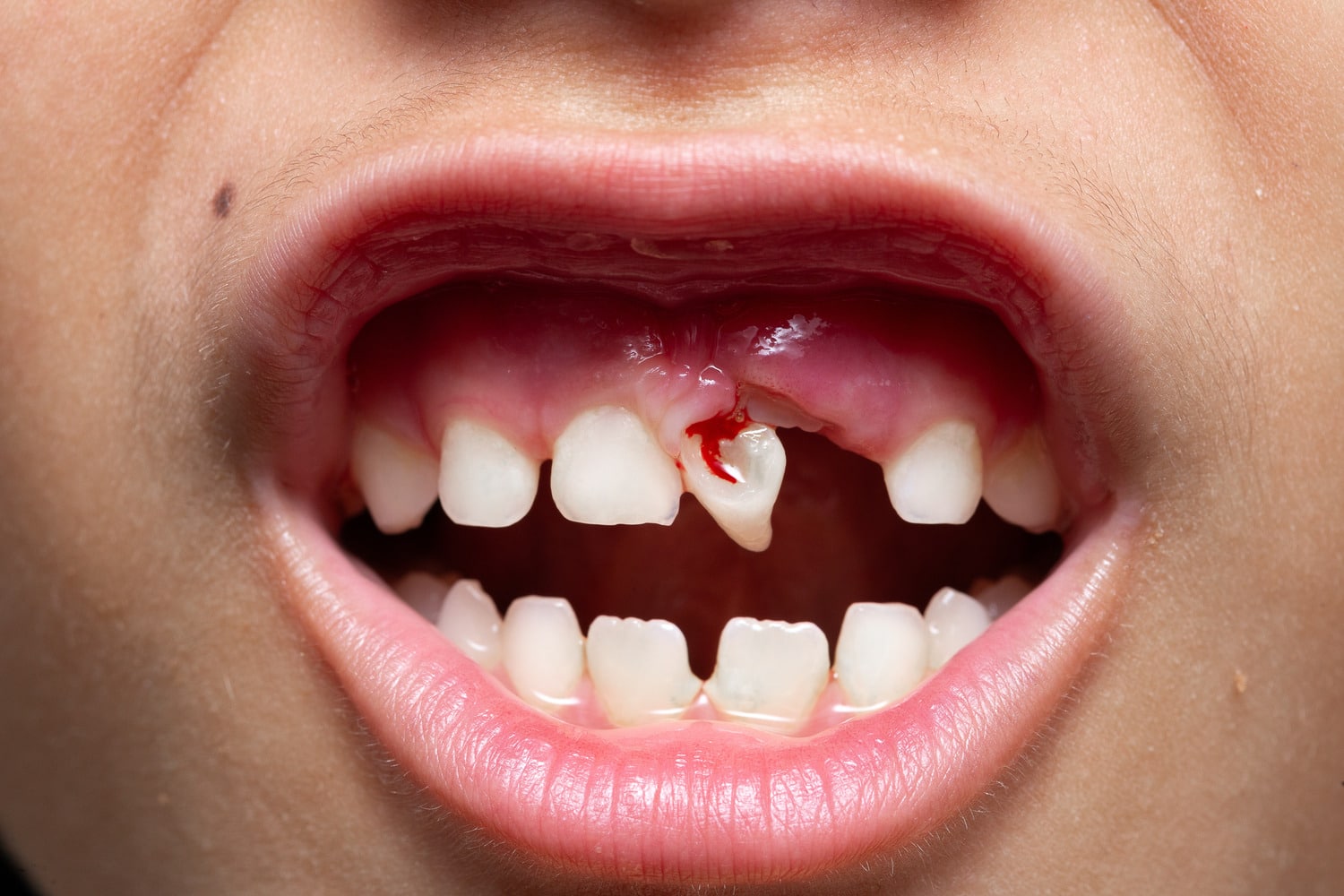
Dental Emergencies in Children: What Parents Need to Do in Pacific Grove, CA
Pediatric dental emergencies are common and often occur during normal childhood activities. When an injury happens, parents should remain calm, assess the situation, provide basic first aid, and contact a dentist as soon as possible. Some dental injuries require immediate attention, particularly when a tooth is knocked out or severely damaged.
Acting quickly can help preserve teeth, reduce pain, and prevent infection. At Moonflower Dentistry for Adults and Kids in Pacific Grove, CA, our team helps families respond quickly when accidents occur. We provide prompt emergency dental care and thoughtful guidance so parents feel confident about the next steps in protecting their child’s smile.
This Article Will Address
- What a common emergency in pediatric dentistry looks like
- What parents should do during a child’s dental emergency
- How quickly a child should see a dentist after an accident
- The most common causes of dental injuries in children
- Step-by-step actions parents can take during common dental emergencies
- When to seek urgent dental care versus medical care
- How families in Pacific Grove can access emergency dental care
What Is a Common Emergency in Pediatric Dentistry?
Children are naturally active, which means dental injuries can happen during everyday activities. Pediatric dentists frequently see dental emergencies that result from sports, playground accidents, or simple falls at home.
Some of the most common dental emergencies in children include:
- Knocked-out permanent teeth
- Chipped or fractured teeth
- Severe toothaches
- Dental abscesses or swelling
- Injuries to the lips, gums, or tongue
- Objects stuck between teeth
Many of these situations occur during common childhood activities such as sports, rough play, or biting into hard foods. While some injuries may appear minor at first, a dental evaluation helps ensure that the tooth structure, surrounding tissue, and developing teeth remain healthy. Quick evaluation by a dentist can often prevent complications and protect long-term oral health.
What Should I Do If My Child Has a Dental Emergency?
The first few moments after a dental injury can feel overwhelming, but taking a calm and organized approach can help stabilize the situation until professional care is available.
If your child experiences a dental injury, consider the following steps:
- Stay calm and reassure your child
- Check the mouth for visible damage, swelling, or bleeding
- Rinse the mouth gently with warm water to remove debris
- Apply clean gauze or gentle pressure to control bleeding
- Use a cold compress on the outside of the face to reduce swelling
- Contact your dentist immediately for guidance
Prompt communication with a dental office allows parents to receive clear instructions and determine whether the injury requires immediate care. At Moonflower Dentistry for Adults and Kids in Pacific Grove, our team helps families navigate dental emergencies quickly and safely so children receive the care they need without unnecessary delays.
How Fast Should a Child See a Dentist After an Accident?
The timing of dental care after an injury can have a major impact on the outcome. Some dental emergencies require immediate attention, while others should still be evaluated the same day to prevent complications.
Certain injuries require treatment within a very short timeframe. For example, a knocked-out permanent tooth has the best chance of being saved when treated within the first hour after the accident. Chipped or cracked teeth should also be examined as soon as possible to protect the tooth structure and prevent infection.
Children experiencing severe tooth pain, swelling, or signs of infection should be evaluated promptly as well. Quick dental care can help:
- Save a permanent tooth
- Prevent infection from spreading
- Reduce discomfort and inflammation
- Protect surrounding teeth and oral tissues
Even when a dental injury seems minor, it is always best to contact a dentist for guidance. Early evaluation provides peace of mind and helps prevent long-term dental complications.
What Should Parents Do for Common Pediatric Dental Emergencies?
Different dental emergencies require different responses. Understanding how to handle the most common situations can help parents protect their child’s teeth until professional treatment is available.
What Should I Do If My Child Knocks Out a Tooth?
A knocked-out permanent tooth requires immediate attention. The way the tooth is handled during the first few minutes can determine whether it can be saved.
Parents should:
- Locate the tooth and hold it by the crown, not the root
- Rinse it gently with clean water if it is dirty
- If possible, place the tooth back into the socket
- If reinsertion is not possible, store the tooth in milk or saliva
- Contact a dentist immediately for emergency care
Time plays a critical role in saving a permanent tooth, so prompt dental care is essential.
What Should I Do for a Chipped or Broken Tooth?
Chipped or fractured teeth are common after falls or sports injuries. Even small fractures should be evaluated by a dentist to prevent further damage.
Parents can take the following steps:
- Rinse the mouth gently with warm water
- Save any fragments of the broken tooth if possible
- Apply gauze if bleeding is present
- Use a cold compress to reduce swelling
- Contact a dentist for an evaluation
Early care helps preserve the remaining tooth structure and reduces the risk of additional complications.
What Should I Do If My Child Has a Severe Toothache?
Toothaches in children may develop for several reasons, including cavities, infection, food trapped between teeth, or dental trauma.
If your child experiences severe tooth pain:
- Rinse the mouth with warm saltwater
- Gently floss around the affected tooth to remove debris
- Avoid placing medication directly on the gums
- Contact a dentist for a professional evaluation
Persistent pain should never be ignored, as it may indicate infection or other dental concerns that require treatment.
What Should I Do for Bleeding Gums or Soft Tissue Injuries?
Injuries to the lips, tongue, or gums often occur during falls or sports accidents. While these injuries can appear alarming, many can be managed with simple first aid.
Parents should:
- Rinse the mouth with warm water
- Apply clean gauze to control bleeding
- Use a cold compress to minimize swelling
- Seek medical care if bleeding does not stop after applying pressure
If the injury involves significant trauma or ongoing bleeding, medical evaluation may be necessary.
When Should Parents Seek Immediate Dental Care?
While many dental injuries can be treated by a dentist, certain situations require urgent care. Parents should seek immediate medical or dental attention if their child experiences:
- A knocked-out permanent tooth
- Severe or worsening pain
- Facial swelling
- Bleeding that does not stop
- Difficulty breathing or swallowing
- Trauma to the jaw or head
In some cases, emergency rooms or urgent care facilities may be appropriate for injuries involving significant trauma or medical concerns. A dentist can help determine the best course of action when parents call for guidance.
How Can Parents Help Prevent Dental Emergencies?
Although accidents cannot always be avoided, preventive care can reduce the likelihood of dental injuries.
Parents can help protect their child’s teeth by:
- Encouraging children to wear sports guards during athletics
- Scheduling regular dental exams and cleanings
- Avoiding habits such as chewing ice or hard objects
- Treating cavities early before they weaken the teeth
- Teaching safe play habits
Preventive dentistry is an important part of the care philosophy at Moonflower Dentistry for Adults and Kids. Regular visits allow dentists to monitor developing teeth and provide guidance that supports lifelong oral health.
Emergency Dental Care for Children in Pacific Grove, CA
When a dental emergency occurs, families benefit from having a trusted dental team nearby. Moonflower Dentistry for Adults and Kids in Pacific Grove provides comprehensive emergency dental care for both children and adults.
Our office offers:
- Emergency dental evaluations
- Treatment for broken or damaged teeth
- Pain relief and infection management
- Modern dental technology including digital imaging and CBCT scans
- Sedation options for patients who feel anxious or uncomfortable
By offering both pediatric and adult dental care in one location, Moonflower Dentistry makes it easier for families to receive prompt and coordinated treatment when emergencies arise.
Helping Families Navigate Pediatric Dental Emergencies With Confidence
Dental emergencies in children can be frightening for both parents and kids, but knowing how to respond can protect your child’s oral health and reduce the risk of long-term complications. Acting quickly, providing basic first aid, and contacting a dentist right away are important steps parents can take when an injury occurs.
If your child experiences a dental emergency, the team at Moonflower Dentistry for Adults and Kids in Pacific Grove, CA is here to help. Our office provides compassionate, professional care and clear guidance so families can move forward with confidence. Contact our office to schedule an emergency dental appointment and receive prompt support when your family needs it most.
Sources

Dr. Kritika Carrazana
Dr. Kritika is the pediatric dentist at Moonflower Dentistry. Raised in Florida, she earned her DDS in 2015 & completed advanced pediatric training at Case Western Reserve University, finishing her residency in 2021. She has since worked as a board-certified pediatric dentist in Kansas, Missouri, & California. Dr. Kritika loves pediatric dentistry for its daily challenges & the relationships she builds with kids & their families, & patients appreciate her calm, empathetic style & fun, educational approach. Outside the office, she enjoys yoga, staying active, trying local restaurants, & spending time with her husband & child.